What Roof Removal Involves and When It’s Necessary
People searching for roof removal are typically looking to replace or repair their roof, and local contractors can handle the job safely and efficiently.
Understanding what roof removal involves and when it’s necessary can help property owners make informed decisions about their roofing needs. Whether dealing with extensive damage, outdated materials, or planning a complete roof replacement, knowing the basics of the removal process ensures clarity and confidence. Local contractors who specialize in roof removal can provide the expertise needed to handle these projects efficiently, helping to prepare a property for the next phase of roofing work while minimizing potential issues along the way. Staying informed about the process also helps property owners recognize when a roof removal might be the right step to maintain the safety and integrity of their building.
For many property owners, exploring the circumstances that call for roof removal is a practical step toward protecting their investment. Factors such as persistent leaks, structural concerns, or significant weather damage often make removal necessary before installing a new roof. Local service providers are equipped to evaluate these situations and guide property owners through the process, ensuring that the removal is performed correctly and efficiently. Continuing to read can provide useful insights into how roof removal fits into broader renovation or repair plans, and how local experts can assist in making the transition smooth and effective.
- Complete roof removal - needed when a roof has severe damage or deterioration that requires a full teardown and replacement, with local contractors carefully removing old materials to prepare for new installation.
- Asphalt shingle roof removal - often necessary during roof upgrades or repairs, with service providers efficiently stripping away shingles and underlying layers to assess the structure.
- Roof tear-off for remodeling - performed when a home undergoes significant renovations, with local pros removing existing roofing to accommodate new design elements or structural changes.
- Old roof removal before re-roofing - required when installing a new roof over an existing one isn’t feasible, with experts ensuring proper removal for a safe and durable new layer.
- Emergency roof removal - needed after storm damage or accidents, with service providers quickly removing compromised roofing to prevent further damage and prepare for repairs.
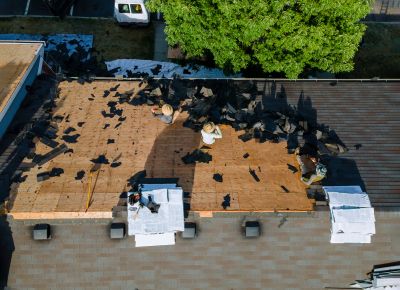
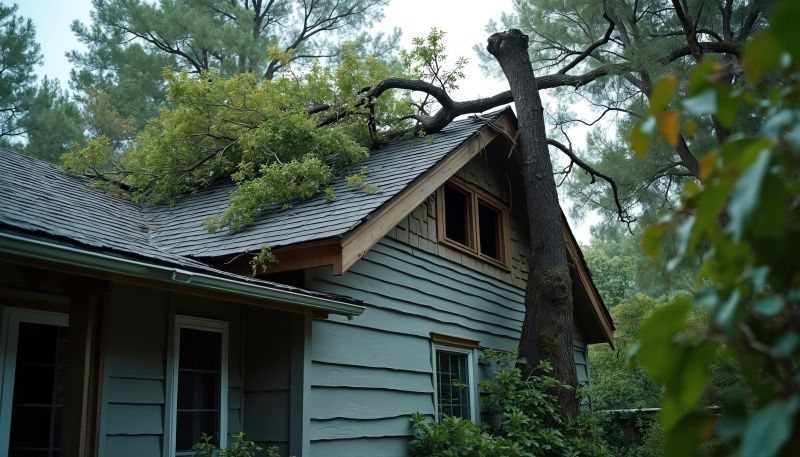
Understanding what roof removal involves and when it’s necessary helps homeowners plan for significant roofing projects. Roof removal typically means taking off an existing roof covering to access the underlying structure or to prepare for a new roofing system. This process can be straightforward or complex, depending on the type of roof, the materials used, and the condition of the existing structure. Homeowners often seek information on this topic when considering a roof replacement, especially if the current roof has sustained damage, shows signs of aging, or no longer meets their aesthetic or functional needs. Local contractors who specialize in roof removal can evaluate the condition of a roof and determine if removal is a necessary step in the renovation or repair process.
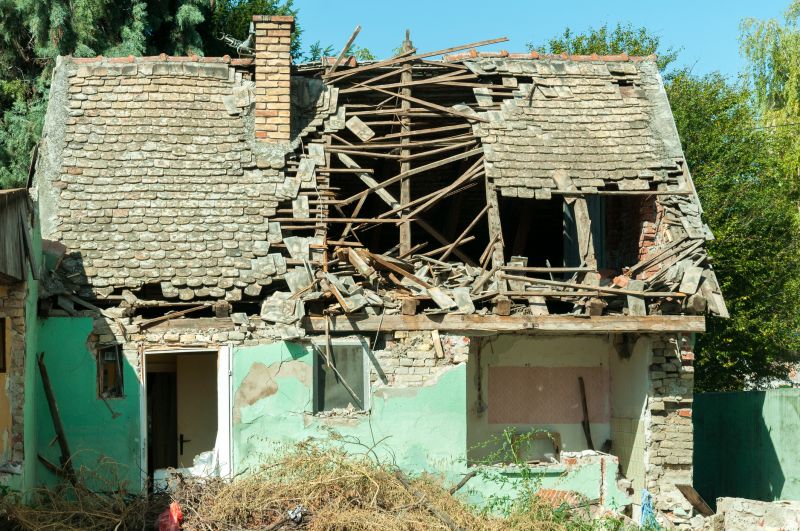
The decision to undertake roof removal usually relates to specific problems or plans. For example, extensive damage from weather events, persistent leaks, or the presence of mold and rot may require removing the old roofing layers to inspect and repair the underlying structure. In some cases, homeowners might plan a complete roof overhaul to improve energy efficiency or update the appearance of their property. Roof removal is also common when installing new roofing materials that are incompatible with existing layers or when adding features like skylights or ventilation systems. Understanding these scenarios helps homeowners recognize when roof removal is a logical step and how local service providers can assist with the process.
The types of properties that often involve roof removal vary widely, but certain characteristics are common. Residential homes, including single-family houses, often require roof removal during major renovations or damage repairs. Multi-family buildings and apartment complexes may also need this service when undergoing large-scale upgrades or structural assessments. Commercial properties, such as warehouses, retail stores, and office buildings, might require roof removal for extensive repairs or to prepare for new roofing systems that meet updated building codes. In all these cases, experienced local contractors bring the expertise needed to safely and efficiently remove old roofing materials, assess underlying issues, and prepare the structure for the next phase of roofing work.
For homeowners considering roof removal, understanding when it’s necessary and how the process fits into larger renovation plans is essential. Local service providers can evaluate the condition of existing roofs, identify underlying problems, and recommend the appropriate approach. Whether it’s due to damage, aging, or a desire to upgrade the property’s appearance and functionality, roof removal is a critical step in many roofing projects. Connecting with experienced local contractors ensures that the work is carried out safely and efficiently, helping homeowners achieve a durable, long-lasting roof that meets their needs.
Deck Removal Projects - these involve careful planning and the use of specialized tools, similar to roof removal, to safely dismantle existing structures without damaging the underlying surfaces.
Chimney Demolition - requires precise removal techniques and safety measures akin to roof removal, especially when dealing with structural elements that need to be carefully taken down.
Wall and Siding Replacement - involves stripping and replacing exterior surfaces, requiring similar planning and handling skills as roof removal to ensure proper installation and safety.
Attic Insulation Removal - entails removing and replacing insulation materials, often requiring careful handling and planning comparable to roof removal processes.
Gutter and Fascia Replacement - involves removing old components and installing new ones, which shares the planning and tool use common in roof removal projects.
Roof Repair and Patchwork - focuses on fixing specific roof areas, often requiring the same skill set and safety precautions as full roof removal when replacing damaged sections.
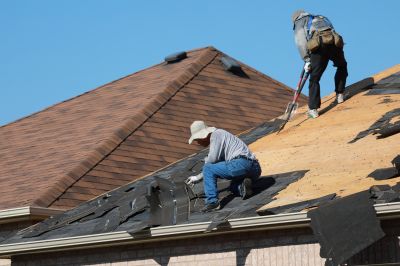
When evaluating local contractors for roof removal services, it’s important to prioritize experience with similar projects. Homeowners should inquire about how long a service provider has been handling roof removal tasks and whether they have a proven track record of successfully completing projects comparable in size and complexity. An experienced contractor will be familiar with the nuances of different roofing materials and structures, which can help ensure the process is handled efficiently and with fewer surprises. Additionally, seeking references or reviews from previous clients can provide insight into the contractor’s ability to deliver quality work and manage unexpected challenges that may arise during roof removal.
Clear written expectations are essential when comparing local service providers for roof removal. Homeowners should look for contractors who provide detailed work descriptions, including the scope of the removal, safety measures, and any necessary preparations or post-removal steps. Transparent communication about what the project entails helps prevent misunderstandings and ensures everyone is aligned on the process. It’s also helpful to request a written estimate or scope of work that outlines the responsibilities of the contractor, materials involved, and any potential additional costs. This clarity can support a smoother project and reduce the likelihood of surprises once work begins.
Good communication and reputable references are key indicators of a reliable roof removal service provider. Homeowners should seek out contractors who are responsive and willing to answer questions thoroughly, demonstrating a commitment to transparency and customer service. Reputable references or reviews can shed light on the contractor’s professionalism, punctuality, and ability to handle the specific demands of roof removal. These insights can help homeowners feel more confident that the service provider will manage the project responsibly and keep them informed throughout the process. Ultimately, choosing a contractor with strong communication and positive references can contribute to a more straightforward and satisfactory experience when addressing what roof removal involves and when it’s necessary.
Property owners often search for what roof removal involves and when it’s necessary when they are planning practical projects around their homes and businesses. Local pros provide Roof Removal services for everyday jobs and straightforward project options.
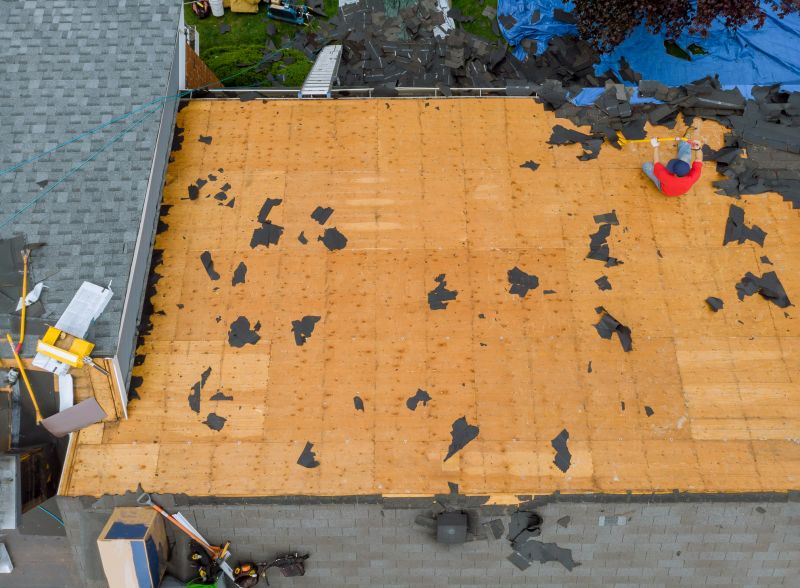
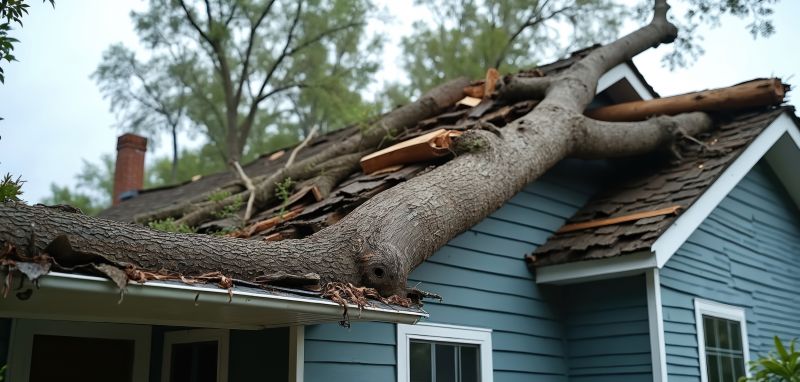
Roof removal is a common step in many property improvement projects, especially when replacing an aging or damaged roof. It typically involves stripping away the existing roofing materials, such as shingles, tiles, or metal panels, to expose the underlying structure. This process allows contractors to inspect the roof deck for any issues like rot, leaks, or structural damage that may need repairs before a new roof can be installed. For property owners considering a roof replacement, understanding what roof removal involves can help them prepare for the project and ensure it’s handled properly by experienced local contractors.
There are several situations when roof removal becomes necessary. For example, if the current roof has sustained extensive damage from storms or wear over time, removing it may be the first step toward installing a new, more durable covering. Additionally, when upgrading to a different roofing material or addressing underlying structural problems, roof removal allows for a thorough assessment and proper preparation. Property owners in the area who are planning such projects or facing issues with their existing roof might consider reaching out to local service providers who specialize in roof removal to ensure the work is done safely and effectively.
What does roof removal involve? Roof removal involves carefully taking off the existing roofing materials, such as shingles or tiles, to prepare for a new roof installation. Local contractors assess the existing structure to ensure proper removal without damaging the underlying components. This process typically includes dismantling the roofing layers and disposing of the debris safely.
When is roof removal necessary? Roof removal becomes necessary when the existing roof is severely damaged, aging beyond repair, or when a complete replacement is required to improve safety and functionality. Service providers can evaluate the condition of the current roof to determine if removal is the best option.
Can roof removal be part of a roof repair? Generally, roof removal is part of a full roof replacement rather than minor repairs. If repairs involve replacing large sections or the entire roof, local pros may recommend removal to ensure the new roofing materials are properly installed over a solid foundation.
What are common signs that indicate roof removal is needed? Signs include extensive leaks, widespread shingle damage, sagging areas, or visible deterioration such as rot or mold. A professional assessment from local contractors can confirm whether removal is necessary to address underlying issues.
How do local service providers handle roof removal safely? Local contractors follow standard safety practices, including securing the work area, using proper equipment, and disposing of debris responsibly. They ensure the removal process minimizes risks and prepares the structure for a new roof installation.
Assessing Roof Condition - Property owners can evaluate signs of damage or aging to determine if roof removal is needed before replacing or repairing a roof.
Understanding When Removal Is Necessary - Knowing scenarios like extensive damage or structural issues helps property owners decide if roof removal services are appropriate.
Planning for Roof Replacement Projects - Incorporating roof removal into renovation plans ensures a smooth process when updating or upgrading a building’s roof.
Choosing Experienced Service Providers - Connecting with local contractors skilled in roof removal helps property owners handle complex projects safely and efficiently.
If you are thinking about what roof removal involves and when it’s necessary for a property, this guide is meant to help you understand this topic, the typical project types, and how different options might fit your plans.
When you are ready, you can use the quote form on this page to share a few details about your project. From there, local pros can review the basics and follow up with options that match what you have in mind.