What to Expect During a Roof Removal Project
People seeking roof removal often want to understand the process, and local contractors can handle the job safely and efficiently to meet their needs.
Understanding what to expect during a roof removal project can help property owners feel more prepared and confident when considering a roof replacement. This process involves several key steps, including preparation, the removal of existing roofing materials, and the careful inspection of the underlying structure. Local contractors skilled in roof removal work to minimize disruption and ensure the job is done efficiently. For homeowners and property managers in the area, knowing what happens during each phase can make the entire experience smoother and help set realistic expectations for the project’s scope and progress.
Property owners often explore this topic to better understand the work involved before undertaking a roof removal. Whether addressing damage, preparing for new roofing installation, or upgrading to a different style, understanding the process can clarify what is typical and what might require additional attention. Local service providers who specialize in roof removal are well-equipped to handle these projects, offering expertise that aligns with the practical needs of property owners. Keep reading to learn more about the typical steps involved and how local pros can assist throughout the process.
- Complete roof removal - homeowners planning a full roof replacement can rely on local contractors to safely strip away existing roofing materials.
- Asphalt shingle removal - when replacing asphalt shingles, local pros carefully remove old layers to prepare for new roofing installation.
- Roof deck replacement - in cases where the underlying roof deck is damaged, service providers can efficiently remove and replace compromised sections.
- Tear-off for roof upgrades - those upgrading to higher-quality materials or different styles often need a thorough roof tear-off handled by experienced local contractors.
- Hazardous roof removal - when dealing with deteriorated or hazardous materials, local pros follow safety protocols to remove and dispose of materials properly.
Understanding what to expect during a roof removal project helps homeowners prepare for a significant part of home improvement or renovation plans. When searching for this topic, people often want to know how the process unfolds, what stages are involved, and what the experience will be like from start to finish. This includes insights into the scope of work, the typical steps contractors take, and the kind of disruptions or considerations that may arise. Homeowners may be planning to replace an aging roof, upgrade to more durable materials, or address underlying issues like leaks or structural damage, making it essential to understand the removal process before proceeding.
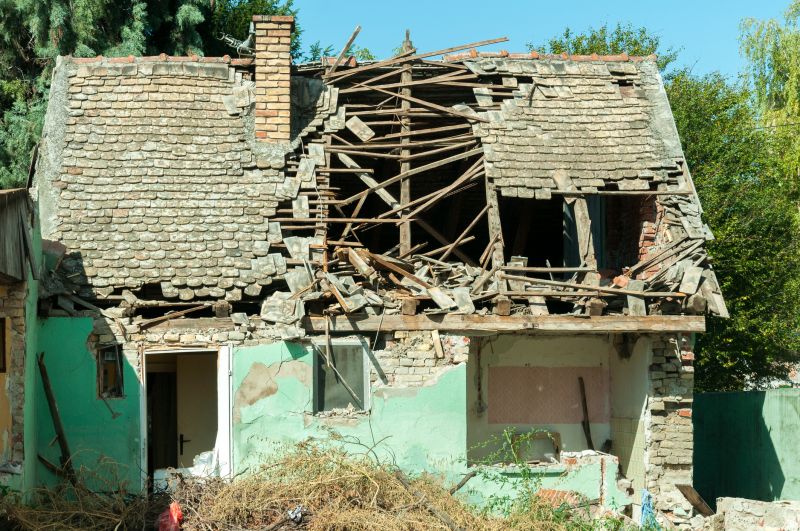
Roof removal projects are commonly associated with various problems or plans that homeowners encounter. These include dealing with deteriorated or damaged roofing, preparing for a complete re-roof after previous repairs, or installing new materials that require a clean slate. Sometimes, the project is part of a larger renovation effort, such as adding insulation or modifying the roofline to improve energy efficiency or curb appeal. The process can also be necessary when underlying issues like mold, rot, or pest infestations are discovered, prompting a full removal before repairs. Local contractors experienced in roof removal can assess these situations and help determine the best approach to ensure the property’s long-term integrity.
The types of properties that typically involve roof removal projects vary widely. Residential homes are the most common, including single-family houses, multi-family residences, and townhomes. These projects often stem from age, weather damage, or the desire for a different roofing style or material. Commercial buildings, such as small retail centers or warehouses, may also require roof removal when upgrading or replacing aging roofing systems. Additionally, historic properties or properties undergoing extensive renovations might need roof removal to facilitate structural modifications or to meet new building standards. Local service providers are equipped to handle these different property types, tailoring their approach to the specific needs of each project.
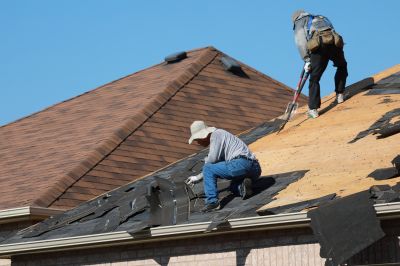
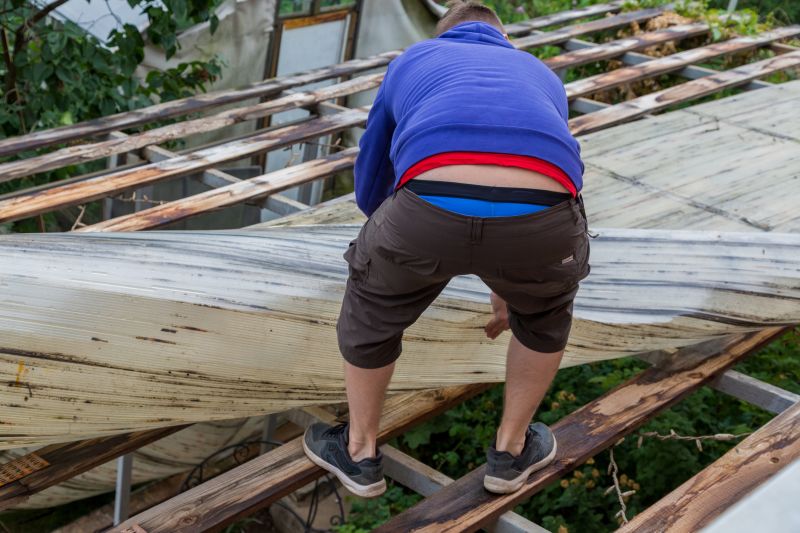
During a roof removal, homeowners can generally expect a multi-phase process that involves careful planning and execution by local pros. Initially, the area is prepared by protecting surrounding property and removing any obstructions. The existing roofing materials are then systematically stripped away, often revealing the underlying structure. This step can generate a significant amount of debris, which contractors manage through proper disposal methods. Once the old roof is completely removed, the underlying deck and framing are inspected for damage, and necessary repairs are made before new roofing materials are installed. Throughout the project, homeowners should be aware of potential noise, debris, and temporary disruptions, which are typical aspects of the process managed by experienced local contractors to ensure a smooth and efficient roof removal experience.
Roof Repair Services - these projects often require careful removal of damaged materials, similar to roof removal, and involve planning for proper replacement and preservation of the underlying structure.
Attic Insulation Installation - this work involves working in confined spaces and coordinating with roof removal to ensure proper insulation placement after the old roofing is removed.
Gutter Replacement - gutter projects require access to roof edges and precise planning, aligning with the skills used during roof removal to protect the home’s exterior.
Siding Replacement - removing and installing siding often involves working around existing roof lines and understanding the structural elements involved in roof removal projects.
Roof Vent Installation - this task requires knowledge of roof structures and careful planning, similar to the steps involved in a roof removal process.
Skylight Installation - installing skylights involves cutting into the roof and coordinating with roof removal services to ensure proper sealing and structural integrity.
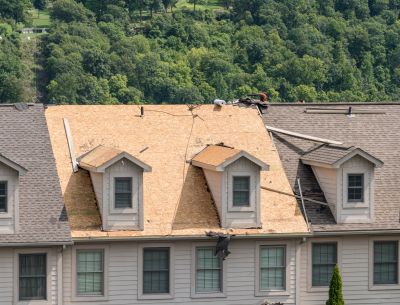
When evaluating local contractors for a roof removal project, it is important to consider their experience with similar types of work. Homeowners should inquire about the number of roof removals they have completed and the types of roofing systems they are familiar with. An experienced service provider will have a clear understanding of the process, potential challenges, and best practices, which can contribute to a smoother project. Checking references or reviews from previous clients can also provide insight into a contractor’s ability to handle roof removal jobs effectively and reliably, ensuring that the work will meet expectations.
Clear written expectations are essential when comparing local pros for a roof removal. Homeowners should seek detailed project descriptions, including what the scope of work will entail, any necessary preparations, and what the process will look like from start to finish. Well-defined expectations help prevent misunderstandings and ensure everyone is aligned on the project’s goals. Service providers who communicate openly and provide written estimates or outlines demonstrate professionalism and a commitment to transparency, making it easier for homeowners to compare options and make informed decisions.
Good communication is a key factor when choosing local contractors for a roof removal. Homeowners should look for service providers who are responsive, willing to answer questions, and able to clearly explain the steps involved in the project. Effective communication helps ensure that homeowners stay informed about progress, potential issues, and any adjustments needed along the way. Contractors who prioritize clear and consistent communication tend to foster a positive working relationship, which can contribute to a more organized and less stressful roof removal experience.
Property owners often search for what to expect during a roof removal project when they are planning practical projects around their homes and businesses. Local pros provide Roof Removal services for everyday jobs and straightforward project options.
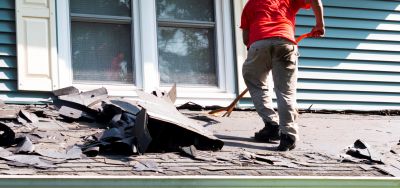
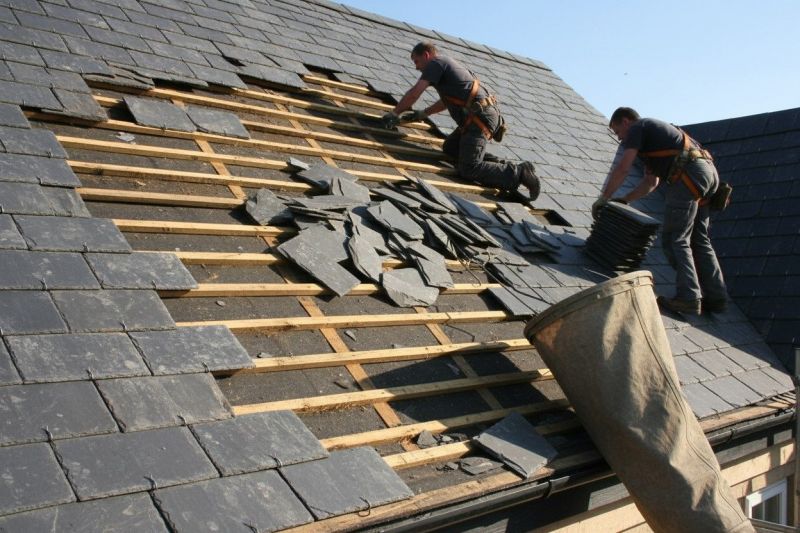
During a roof removal project, property owners can typically expect a series of visible changes and ongoing activities on their property. It’s common to see the existing roofing materials carefully stripped away, often revealing the underlying structure. Local contractors may set up protective barriers to contain debris and minimize disruption to the surrounding areas. Homeowners might also notice increased noise levels from equipment and tools used during the removal process. These steps are part of a standard procedure to ensure the old roof is fully removed before a new one is installed, helping to prepare the property for the next phase of the project.
Many property owners seek roof removal services to address issues such as aging materials, storm damage, or the need for upgrades. During the process, it’s typical for local service providers to handle the logistics, including safely disposing of old materials and ensuring the structural integrity of the roof deck. It’s also common for contractors to communicate about any unexpected findings, like damaged sheathing or structural concerns, which may influence the scope of work. Understanding what to expect during a roof removal project can help property owners prepare for the work and ensure a smoother transition to the installation of a new roof.
What is the typical process during a roof removal project? During a roof removal, local contractors will first prepare the site, then carefully strip away the existing roof materials, and finally prepare the surface for the new roofing installation. This process ensures the old roof is safely removed before new materials are applied.
What should I expect in terms of debris and mess? Roof removal projects often generate debris such as old shingles, nails, and wood scraps. Local service providers usually take measures to contain and clean up debris regularly to minimize disruption around the property.
Will there be noise or disruptions during the roof removal? Yes, roof removal involves the use of heavy equipment and tools, which can produce noise. Local pros typically work within reasonable hours to reduce disturbances and keep the work area as safe as possible.
How do contractors handle the removal of old roofing materials? Local contractors use specialized tools and techniques to carefully strip away old roofing layers, ensuring that underlying structures are not damaged and that waste is properly disposed of or recycled.
What safety precautions are taken during a roof removal project? Service providers implement safety measures such as harnesses, tarps, and secure ladders to protect workers and property. They also follow standard procedures to prevent accidents and manage debris safely.
Understanding the process - property owners can learn what steps are involved during a roof removal to prepare for the project and coordinate with local contractors.
Preparing the space - clearing the area around the property helps ensure a smooth roof removal process and allows local service providers to work efficiently.
Managing debris - knowing how debris will be handled allows property owners to plan for temporary storage or disposal during the project.
Communicating expectations - establishing clear communication with local pros about the scope and progress helps ensure the project meets the property owner’s needs.
If you are thinking about what to expect during a roof removal project for a property, this guide is meant to help you understand this topic, the typical project types, and how different options might fit your plans.
When you are ready, you can use the quote form on this page to share a few details about your project. From there, local pros can review the basics and follow up with options that match what you have in mind.